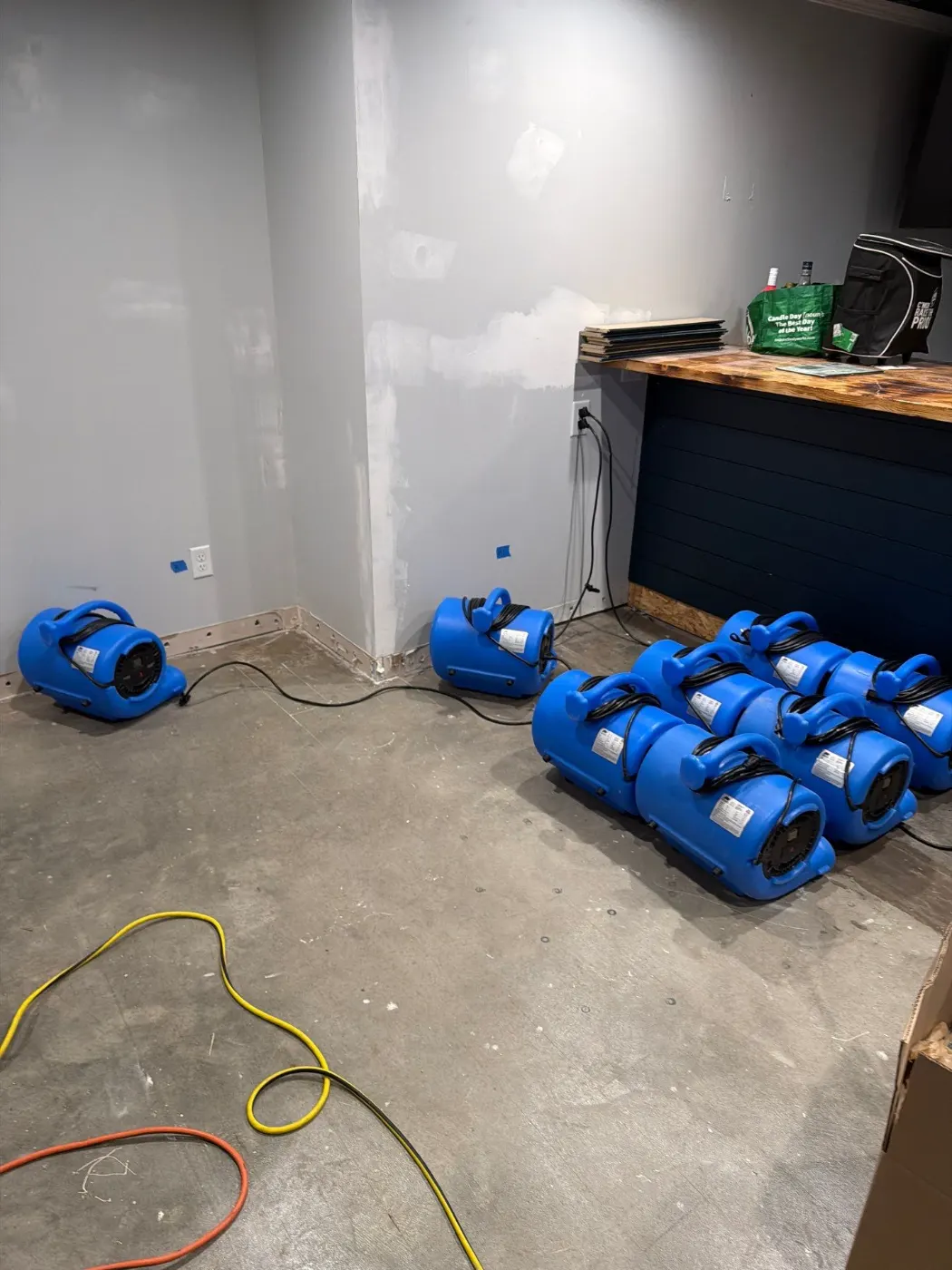
Commercial Storm Damage in Summitville, IN
Commercial storm response across Summitville, IN, with the roof secured first and the interior dried underneath it.
When Summitville homeowners need Commercial Storm Damage, Summitville Water Restoration responds 24/7 with certified technicians, fast equipment deployment, and claim ready documentation. Call (765) 508-0821 for immediate dispatch.
- Service: Commercial Storm Damage for Summitville homeowners
- Service area: Summitville, IN and surrounding areas
- Response time: Emergency water calls in Summitville get crews rolling, not callbacks
- Licensed and insured (License #RC21100059)
- Serving Summitville, IN since 2018
Commercial Storm Damage for Summitville Businesses
After a storm, the first question from an operations manager is what's sitting on the wet floor. Cardboard cartons wick water upward through their bottom layer, and electronics suffer from a thin film of it, so the order of moving things matters. Summitville Water Restoration works with your staff to lift stock and equipment clear at your Summitville property before extraction begins.
Where a roof drain or floor drain backed up, the crew confirms with your building engineer or plumber that the line is flowing before extraction starts. A line that's still backing up refills the floor as fast as it's pumped. The confirmation, along with a photo of the drain, is recorded in the job file for your Summitville building.
The roof and the interior get scheduled together on Summitville Water Restoration commercial jobs. The dry in gets inspected after every rain while interior equipment is up, because a drying chamber that keeps taking on water never reaches its target. When a permanent roof repair or a section replacement is in the works, interior closeout gets timed to follow it so nothing has to be redone.
Carriers look at how fast the policyholder acted. A documented two hour dispatch, extraction the same day, and equipment running that night all show up in the file as mitigation of further loss. Summitville Water Restoration timestamps the arrival, the first readings and the equipment set, and that record stays with the job whether or not it ends up in a claim at all.
Ownership is going to ask what this costs and how long the space is down. Call Summitville Water Restoration and a crew dispatches to your Summitville property, measures what's wet and gives you a drying timeline to work from. The team takes calls across central Indiana at any hour.
Signs You Need Commercial Storm Damage Restoration
If you notice any of these in your Summitville building, schedule a free inspection before the issue worsens.
Tenants moving stock or equipment away from a wall because water keeps showing up there
Rust on the metal stud track at the bottom of a wall cavity once an opening is cut
Interior wall base swelling, delaminating, or pulling away from the gypsum behind it
Water beading on the inside of curtain wall mullions or collecting on the sill
Carpet tile that squishes underfoot along the glass line of a storefront or window wall
Leak sensors or pit alarms going off in a mechanical room or IT closet during a storm
The smell of damp cardboard in a stockroom that gets stronger after each heavy rain
Paint blistering or wall covering bubbling on a wall that backs up to the exterior
Raised access floor panels that feel damp, with water showing beneath them in a telecom room
Water standing in a elevator pit, or a pit pump that's been cycling longer than usual
How Summitville Water Restoration Handles Commercial Storm Damage
We follow these steps in order on every Summitville job.
First Call Intake
On the call, the team gathers where the water is entering, which areas are occupied, who holds keys and alarm codes, and who can authorize work, so the crew shows up at your Summitville property with the right equipment and the access it needs.
Emergency Roof Dry in
The membrane breach or failed detail gets covered with a temporary dry in built to hold through the next rain. Photos go in the file before and after. The permanent repair stays on the work order until a roofing scope takes it over.
Moisture Mapping
Every affected space gets walked with thermal imaging and both penetrating and nonpenetrating meters. Readings are keyed to a floor plan by room or column line, so the scope covers where the water went and leaves dry areas alone.
Water Path Check
The crew traces the water from the roof breach down through the ceiling to the floors below and photographs the path. Water that backed up out of a drain tied into a sanitary line gets handled as sewage, and that call drives the protocol.
Ceiling and Finish Rebuild
Grid gets releveled, new lay in tile goes in, and insulation is replaced to the assembly's original value. Painted surfaces get primed and finished to a line that reads as original, and flooring goes back once slab readings allow it.
Commercial Storm Damage in Summitville
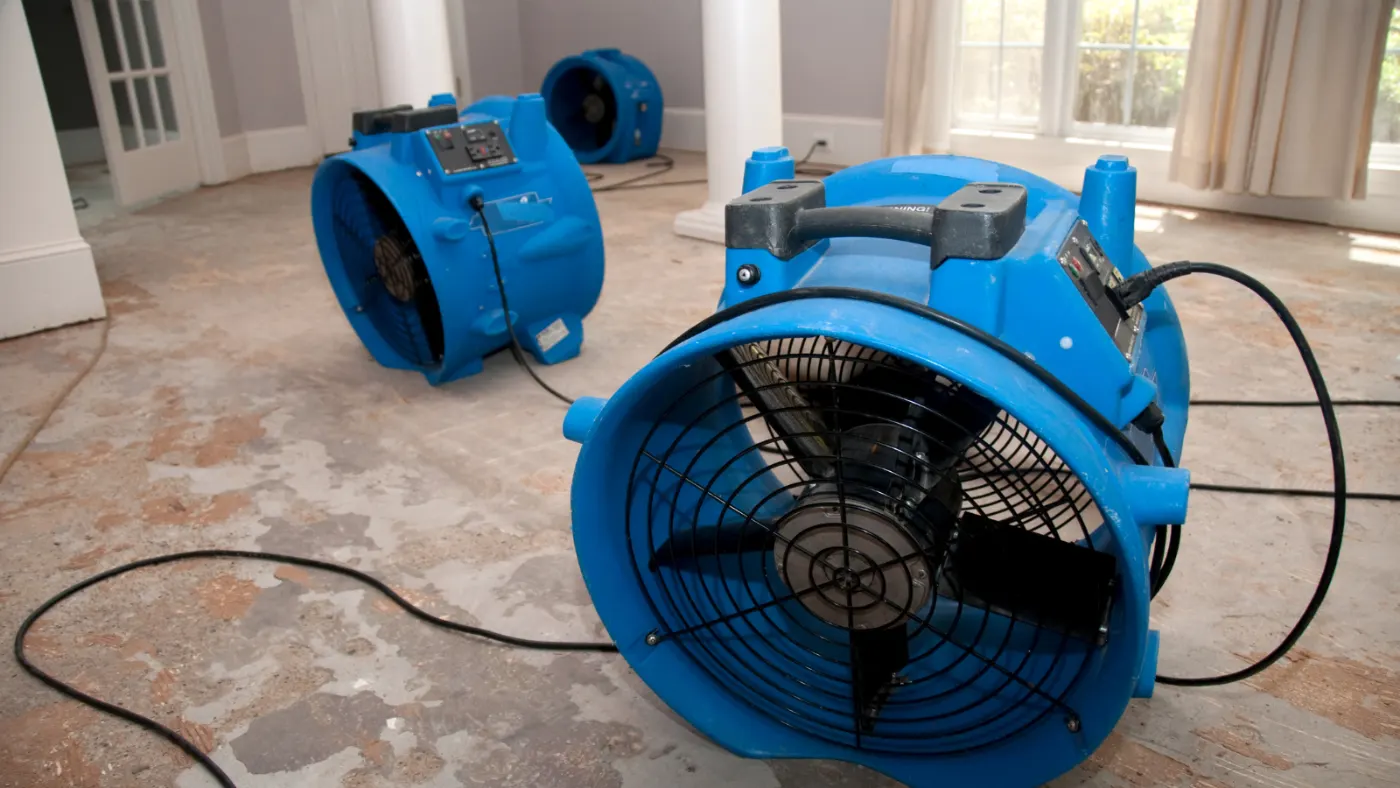
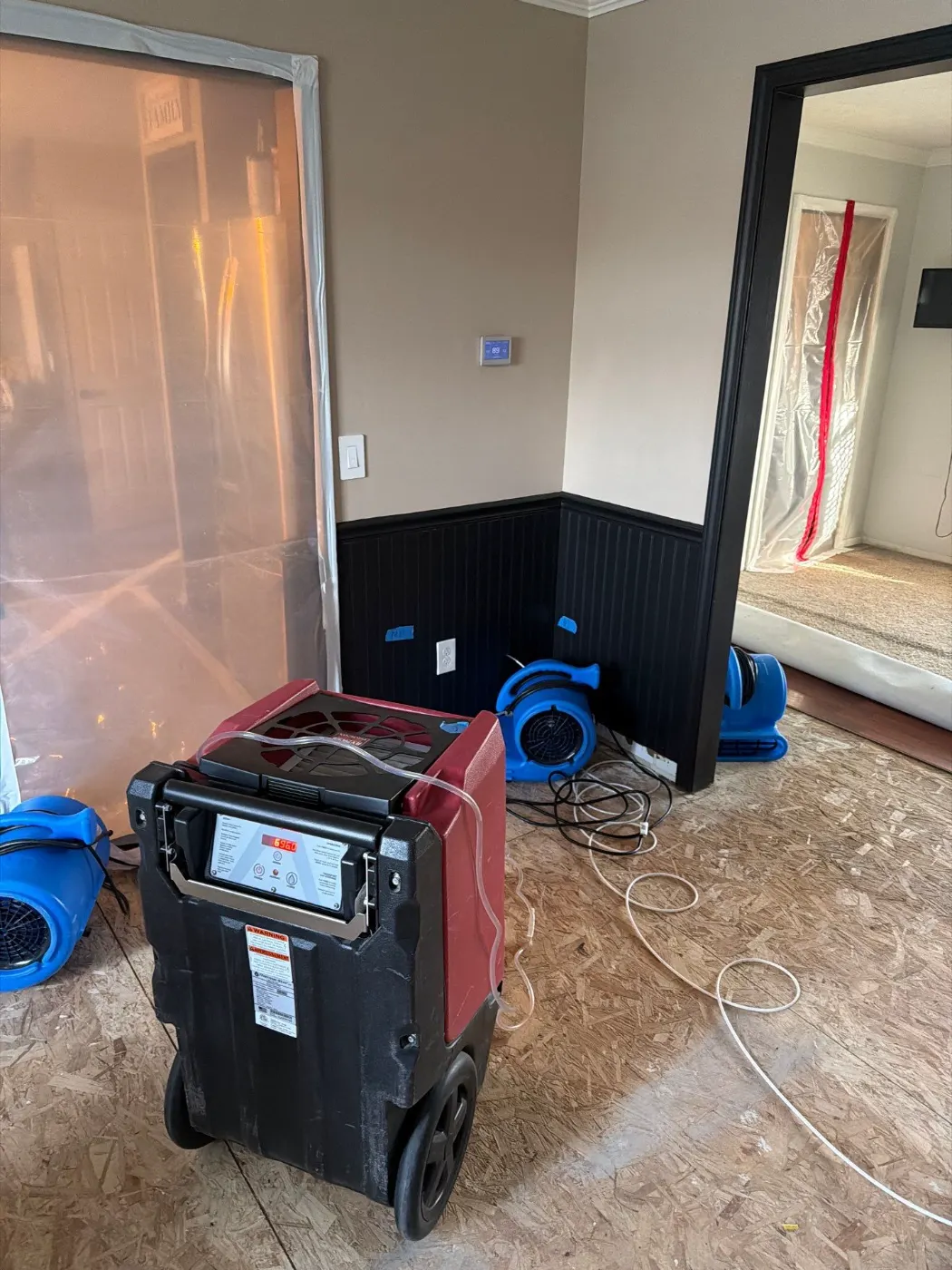
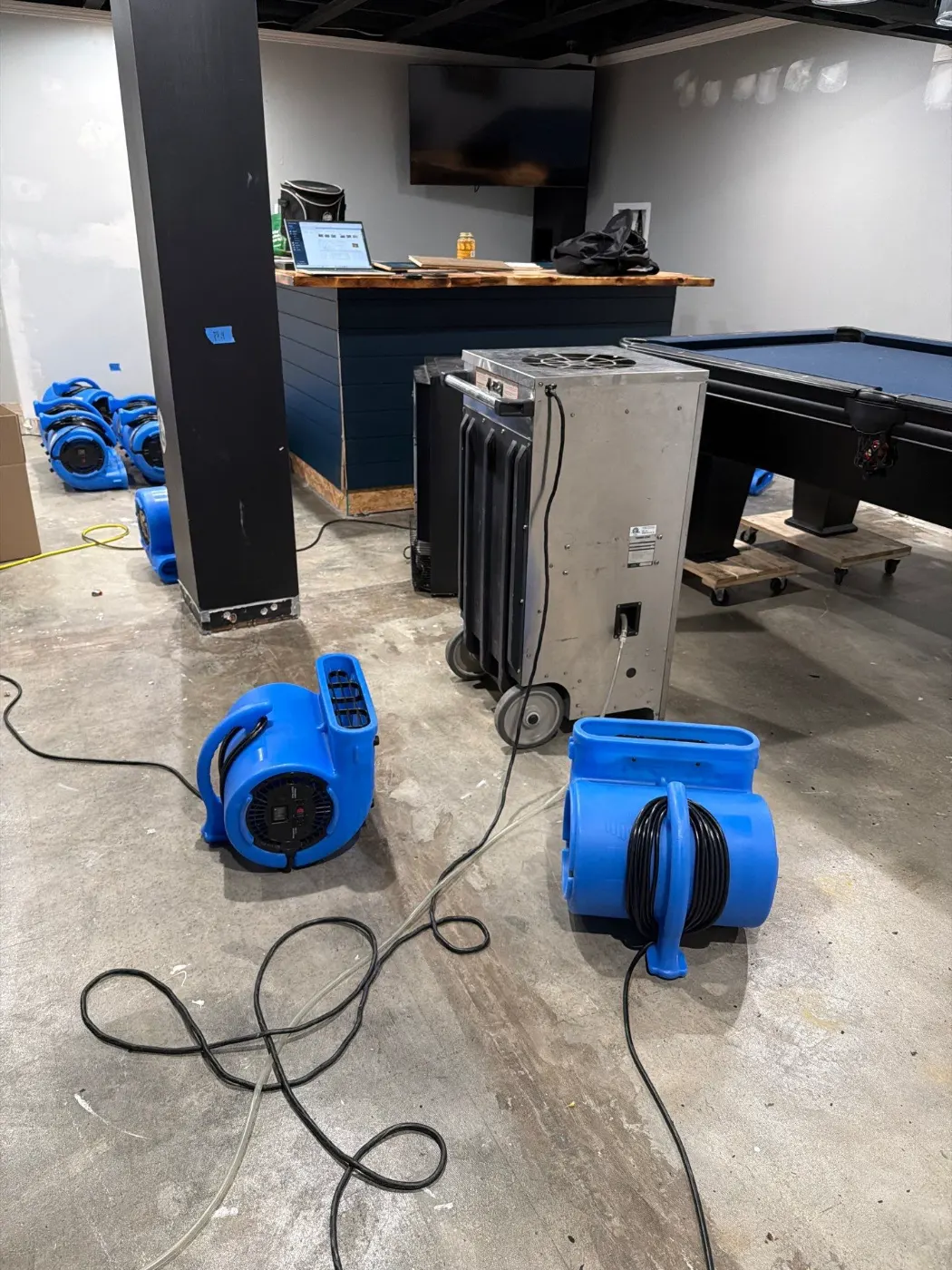
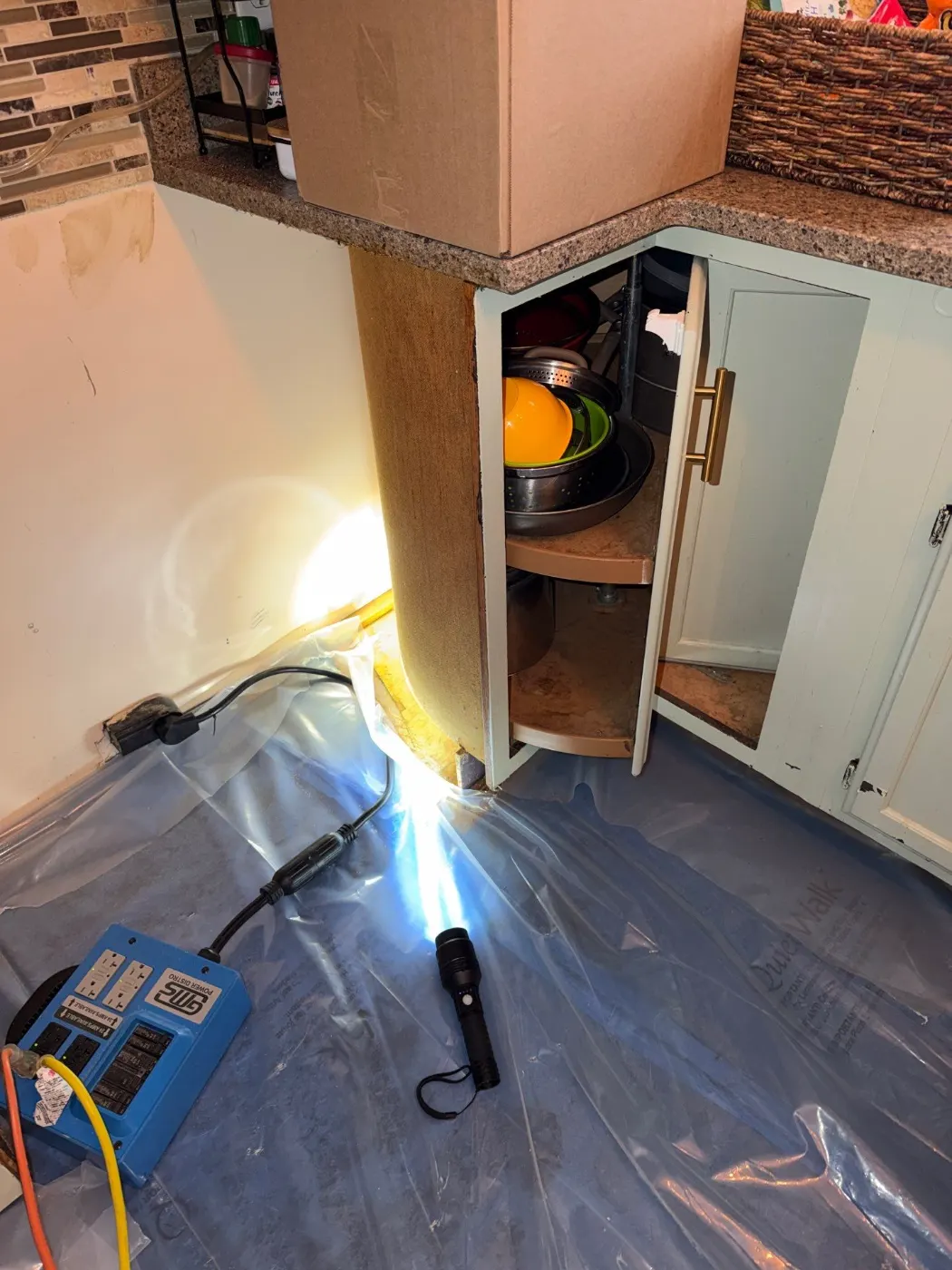
Photographs from real commercial storm damage jobs completed by our crew in Summitville and surrounding areas.
Commercial Storm Damage FAQ
Questions Summitville property managers ask us about commercial storm damage restoration.
Guidance and Standards for Commercial Storm Damage
- The National Weather Service office in Indianapolis posts summaries of recent central Indiana storm and flood events. NWS Indianapolis Event Summaries
- The ANSI/IICRC S500 is the published standard for professional water damage restoration. The current edition is the Fifth Edition, 2021. IICRC S500 Standard
Summitville Neighborhoods We Serve
We take commercial storm damage calls in every part of Summitville. Pick your neighborhood for local details.
Other Restoration Services in Summitville
Summitville Water Restoration handles the full scope of restoration work. Explore our other services below.
Water Damage Restoration in Summitville
24/7 emergency response. IICRC certified water restoration from extraction to full dry out.
Learn more →Basement Flooding in Summitville
Basement water emergencies handled fast. Extraction, drying, mold prevention.
Learn more →Sewage Cleanup in Summitville
Category 3 biohazard cleanup. Full containment, decontamination, structural restoration.
Learn more →Request Commercial Storm Damage Restoration
Reach Us Directly
Our team is available 24/7 for emergencies and ready to schedule inspections during business hours.
Need Immediate Help?
For active water or mold emergencies, call us directly. We are available 24/7.