Commercial Flood Damage Cleanup in Summitville, IN
Pallets, fixtures, and records packed out and inventoried while the crew dries your Summitville building section by section.
When Summitville homeowners need Commercial Flood Damage Cleanup, Summitville Water Restoration responds 24/7 with certified technicians, fast equipment deployment, and claim ready documentation. Call (765) 508-0821 for immediate dispatch.
- Service: Commercial Flood Damage Cleanup for Summitville homeowners
- Service area: Summitville, IN and surrounding areas
- Response time: Rapid emergency dispatch for Summitville inquiries; crews available 24/7
- Licensed and insured (License #RC21100059)
- Serving Summitville, IN since 2018
Commercial Flood Damage Cleanup for Summitville Businesses
A regional storm tends to flood more than one building. Property managers with several addresses in Summitville and Madison County need a separate moisture record and photo set for each location, so every property can be reviewed on its own. Summitville Water Restoration opens that file at the first walkthrough of each commercial building and keeps it current until the final reading.
Commercial flood cleanup in Summitville follows the IICRC S500, Fifth Edition, with the IICRC S520 applying if mold enters the scope. Summitville Water Restoration plans for the slow parts, like a below grade block wall that keeps releasing moisture for weeks after an open floor has cleared, and builds the equipment schedule around them. The company's water restoration manager is IICRC certified.
Concrete gets its own drying plan. In situ relative humidity probes go into the slab at marked locations, surface readings get taken alongside them, and both get logged daily so the curve is visible. Desiccant dehumidification pulls the vapor pressure down far enough to move bound water out of masonry and concrete, which is slow work and the reason a commercial slab usually outlasts the rest of the drying scope.
Summitville Water Restoration writes commercial scopes in the line item format adjusters already use, which keeps the conversation focused on the work. Anything outside the loss gets identified in writing before the crew starts that part, so you see it first. You decide with your carrier and your broker what to file, and the documentation behind every line is yours to keep.
Carpet, cushion, drywall and insulation that sat in floodwater are headed for the dumpster, and the record of what left is easiest to build while it's happening. Call Summitville Water Restoration before demolition starts, and the crew photographs and logs each area of your Summitville property as the material comes out.
Signs You Need Commercial Flood Damage Cleanup
If you notice any of these in your Summitville building, schedule a free inspection before the issue worsens.
Wet insulation hanging out of a wall cavity after floodwater passed through
Sewer smell on the lower level after floodwater came up through the floor drains
Rust forming at the base of steel shelving uprights or pallet racking where it meets the slab
Water pooling against the outside of an exterior door after the storm drain overflowed
Swollen particleboard casework or a reception desk with a soft base after the water dropped
White powdery efflorescence appearing on block or poured concrete walls on a below grade level
Doors that stick or swell at the bottom edge after water reached the frames
Condensation forming on interior metal doors and glass partitions that stayed clear before the loss
Floor drains backing up or holding water long after the last discharge into them
Drywall damp well above the standing water line, with the moisture still climbing
How Summitville Water Restoration Handles Commercial Flood Damage Cleanup
We follow these steps in order on every Summitville job.
Waterline and Condition Photos
Before anything moves, the crew photographs the building as the water left it. Waterline marks get measured at several points in each room, with depths and heights logged beside the photos.
High Volume Pumping
Submersible and trash pumps move standing water to an approved discharge point while the crew monitors depth against the floor assembly underneath. Pump capacity gets matched to the volume in the building, so a loading dock or a below grade level drains in hours.
Mapping the Wet Area
Thermal imaging and penetrating meters survey every affected area, including the slab, wall cavities, ceiling plenums, and anything below grade. The wet boundary gets marked on a floor plan, so the drying scope matches the real footprint of the water and a carrier can follow why each area was treated.
Mud and Silt Removal
Mud goes into containers first, starting at the far end of the building and working toward the exit. Wet vacuums and a rinse pass follow, and floor drains get flushed and checked so water can drain freely.
Disposal Records
Every load that leaves the building gets a log entry with the date and the type of material. The disposal receipt and a photo of the load go in the same file, so the removal record matches what was hauled away.
Commercial Flood Damage Cleanup in Summitville
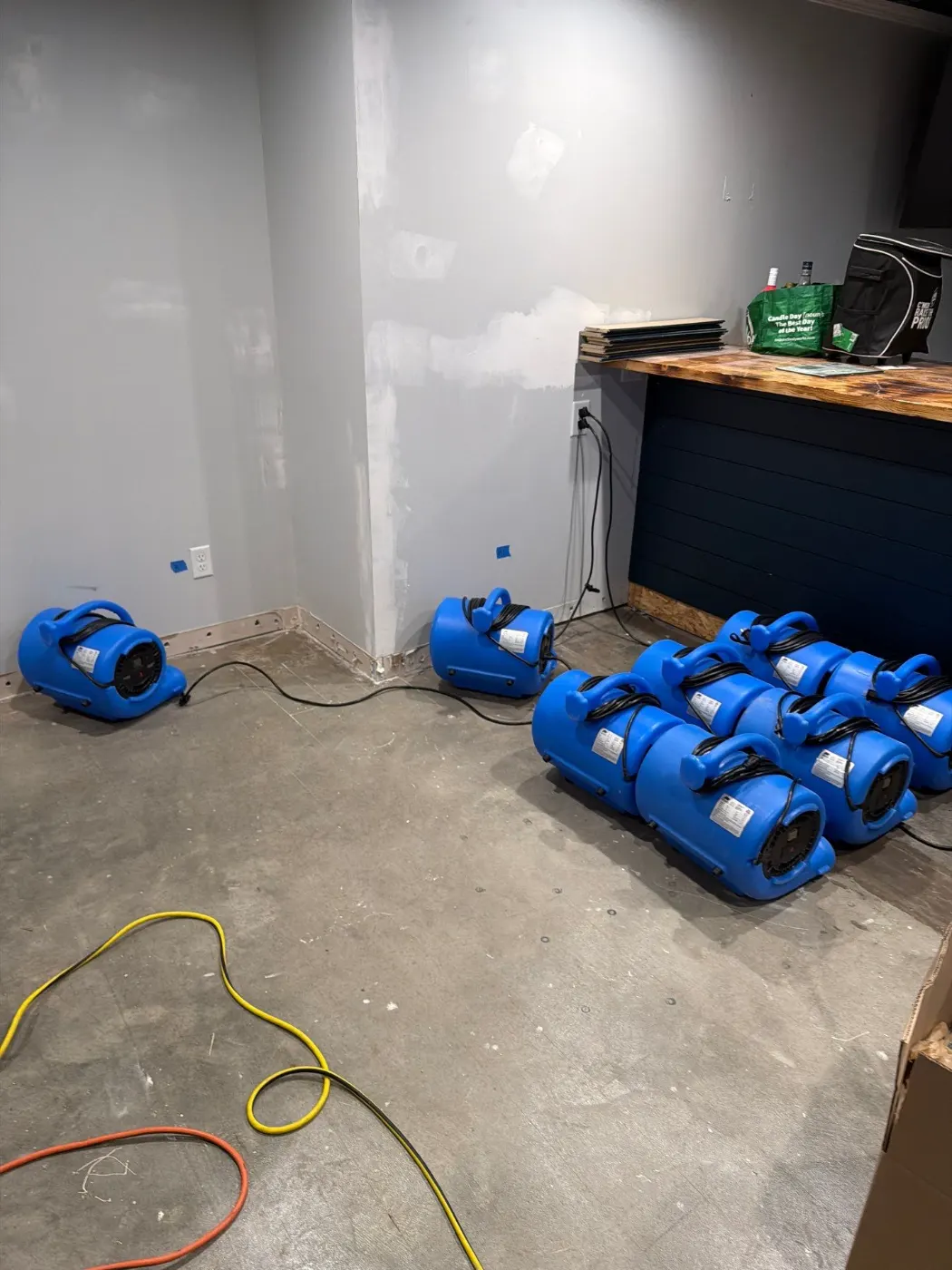
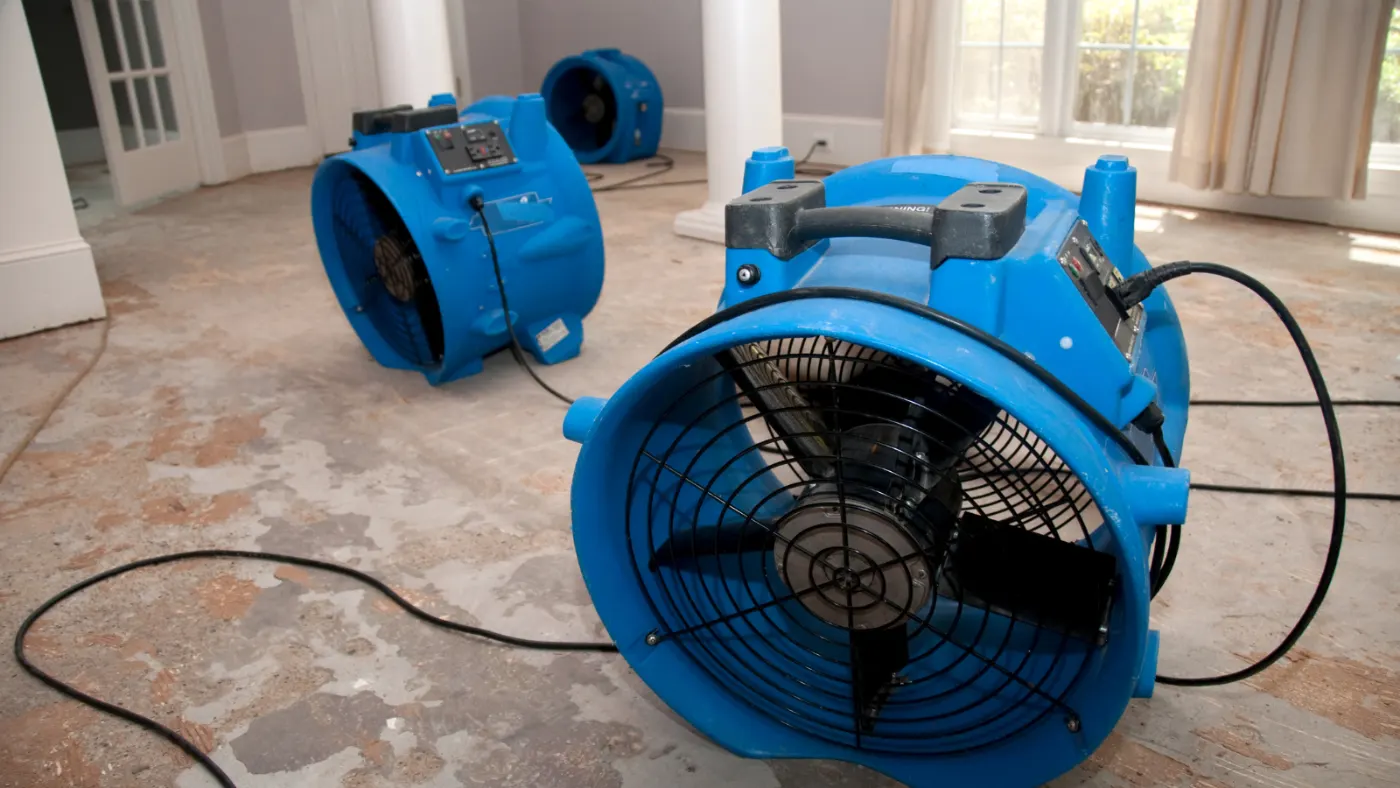
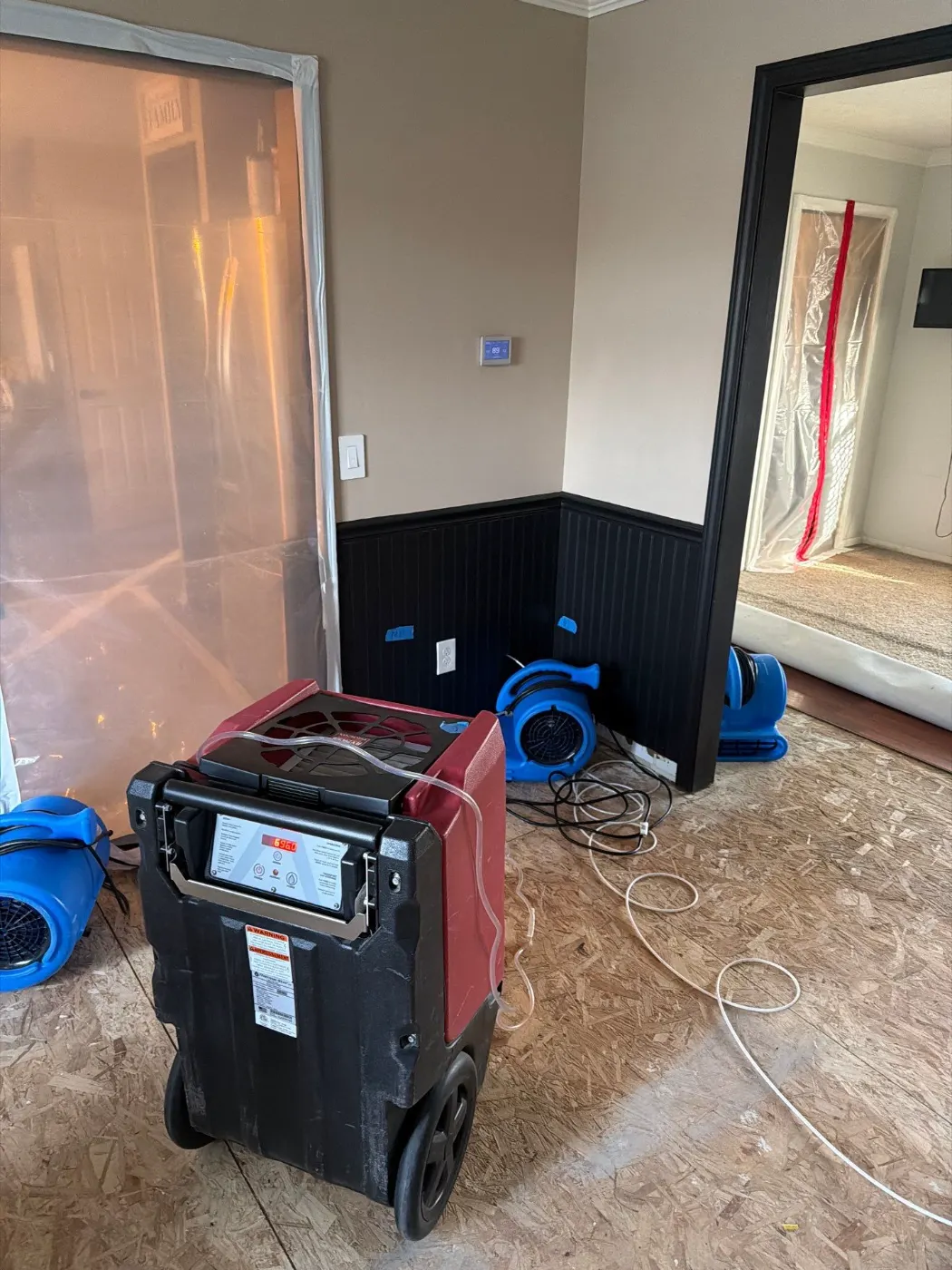
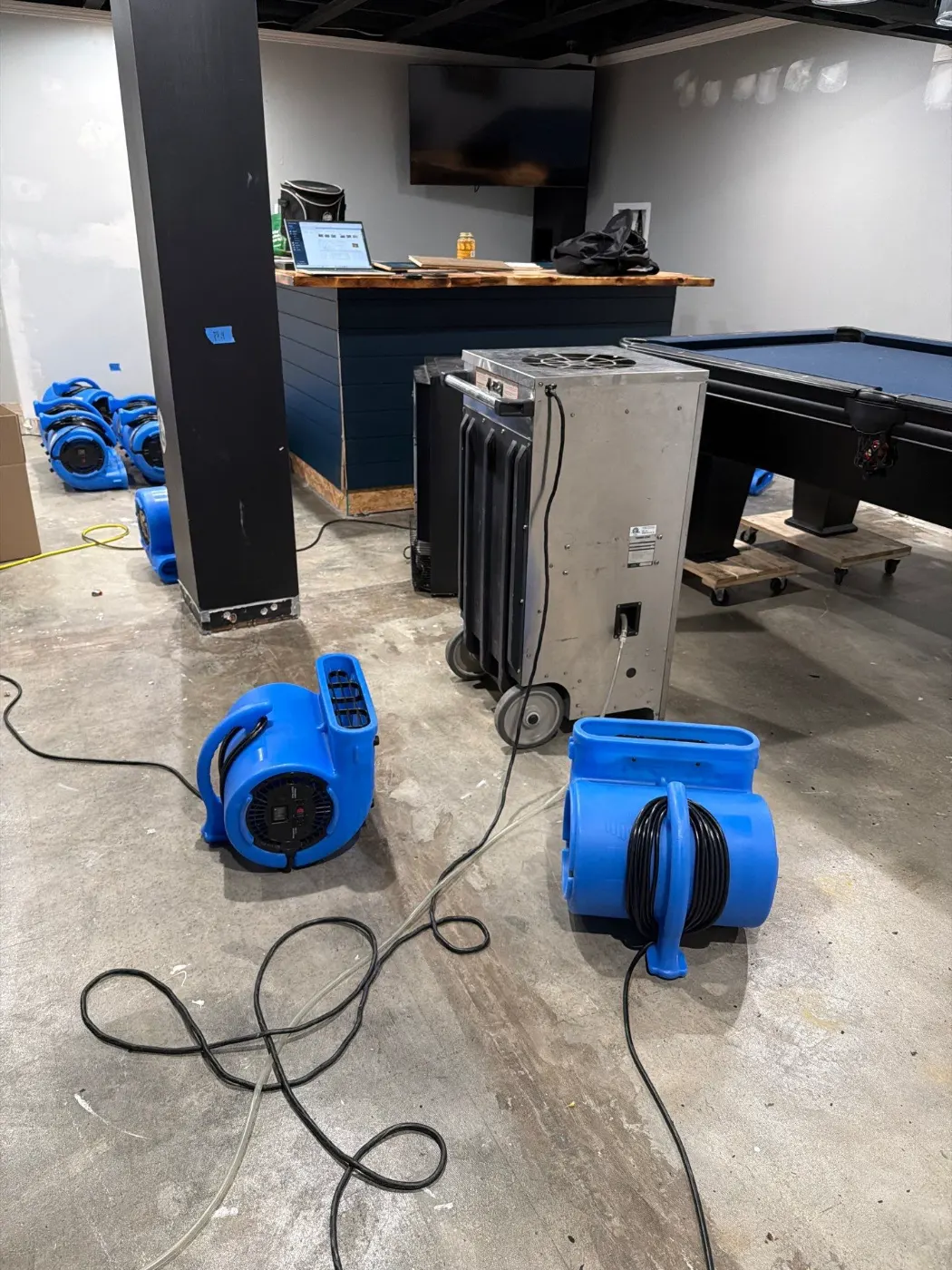
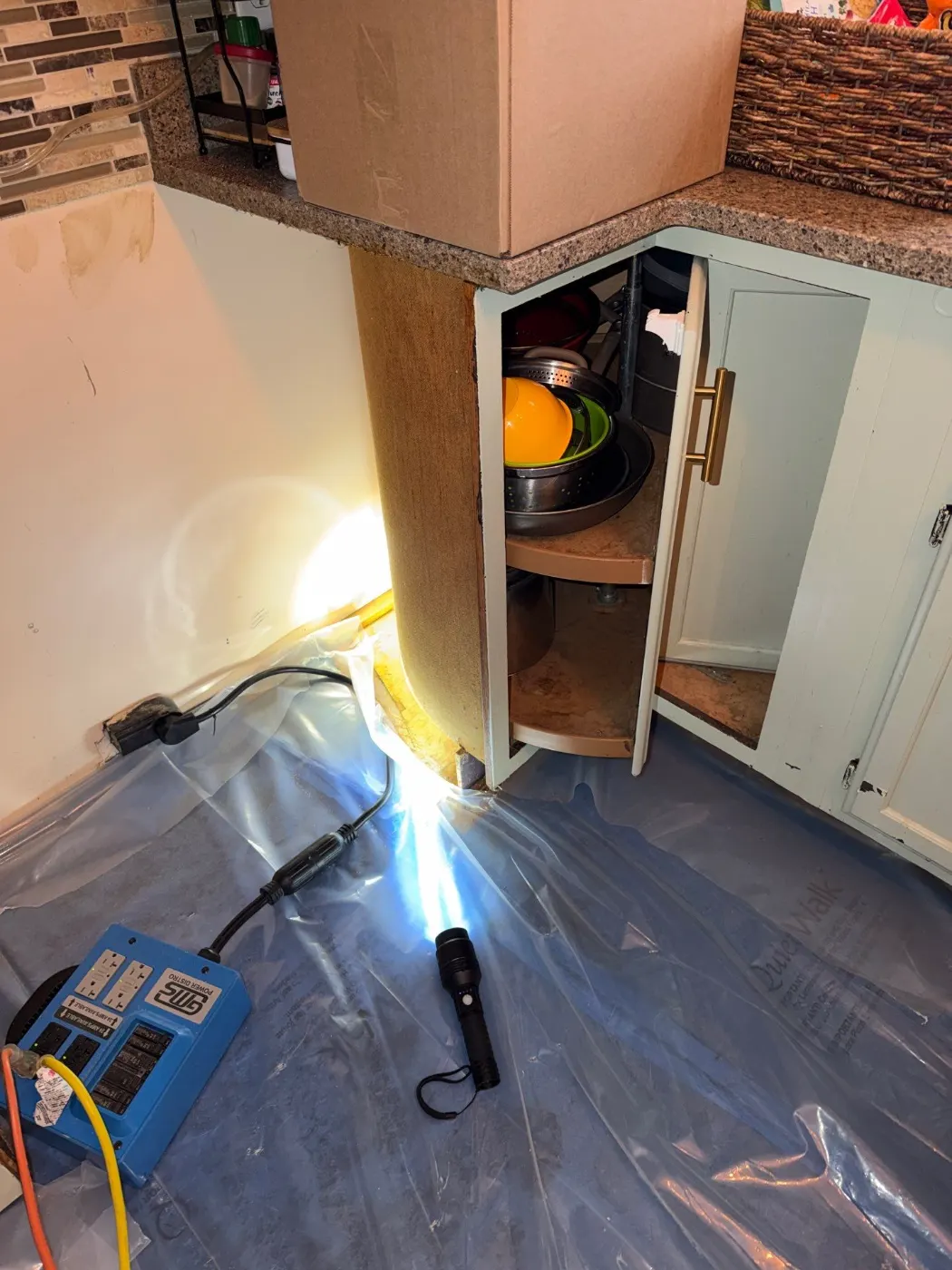
Photographs from real commercial flood damage cleanup jobs completed by our crew in Summitville and surrounding areas.
Commercial Flood Damage Cleanup FAQ
Questions Summitville property managers ask us about commercial flood damage cleanup.
Guidance and Standards for Commercial Flood Damage Cleanup
- The ANSI/IICRC S500 is the published standard for professional water damage restoration. The current edition is the Fifth Edition, 2021. IICRC S500 Standard
- EPA advises drying water damaged areas and items within 24 to 48 hours to prevent mold growth. EPA: A Brief Guide to Mold, Moisture and Your Home
Summitville Neighborhoods We Serve
We take commercial flood damage cleanup calls in every part of Summitville. Pick your neighborhood for local details.
Other Restoration Services in Summitville
Summitville Water Restoration handles the full scope of restoration work. Explore our other services below.
Water Damage Restoration in Summitville
24/7 emergency response. IICRC certified water restoration from extraction to full dry out.
Learn more →Basement Flooding in Summitville
Basement water emergencies handled fast. Extraction, drying, mold prevention.
Learn more →Sewage Cleanup in Summitville
Category 3 biohazard cleanup. Full containment, decontamination, structural restoration.
Learn more →Request Commercial Flood Damage Cleanup
Reach Us Directly
Our team is available 24/7 for emergencies and ready to schedule inspections during business hours.
Need Immediate Help?
For active water or mold emergencies, call us directly. We are available 24/7.